Public Lecture by Domagoj Mihaljevic "Yugoslavia's Economic Development between the “West� and Soviet Union: Politics, Ideology, Strategy, 1945-1970"
January 12, 2026
Ìý

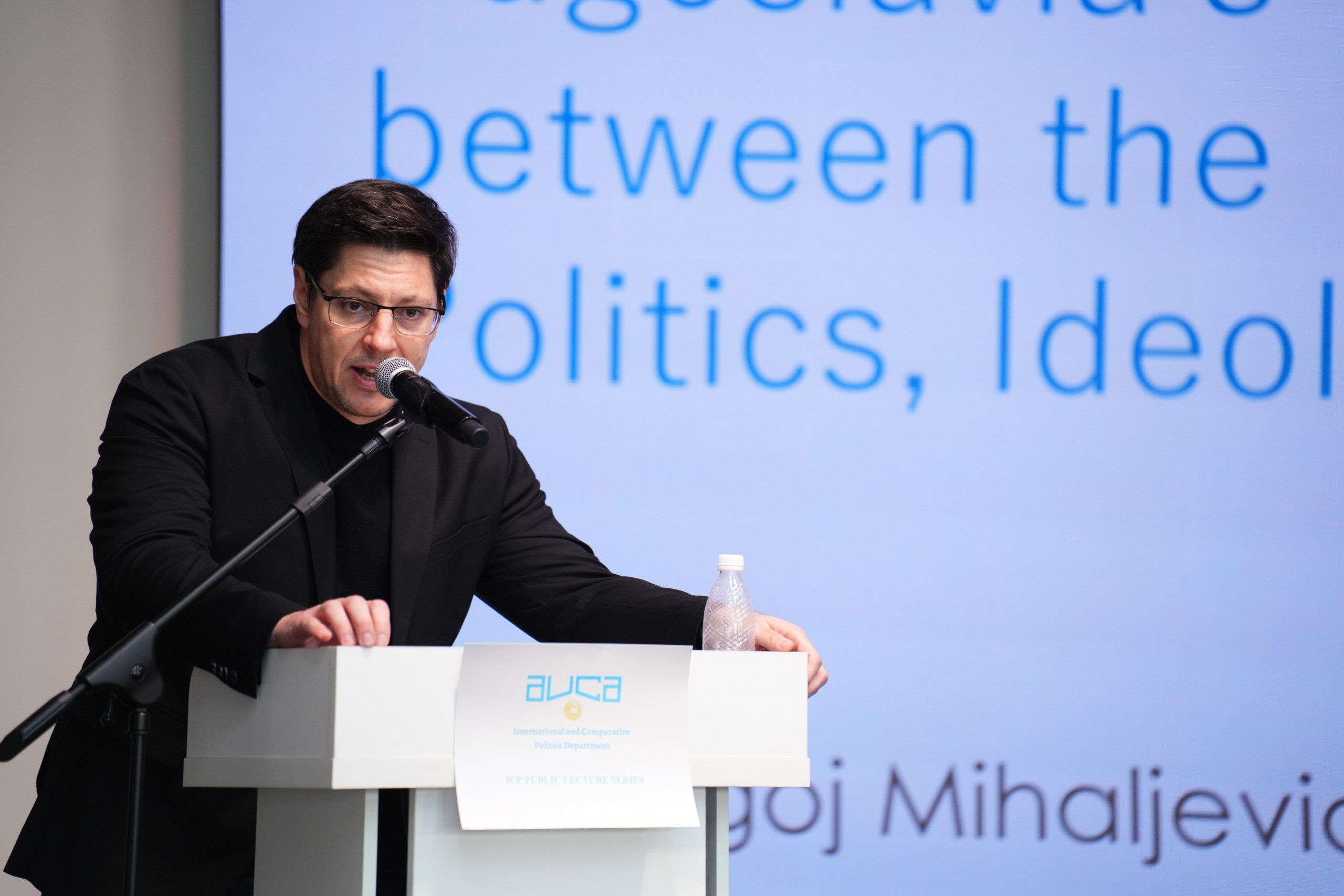
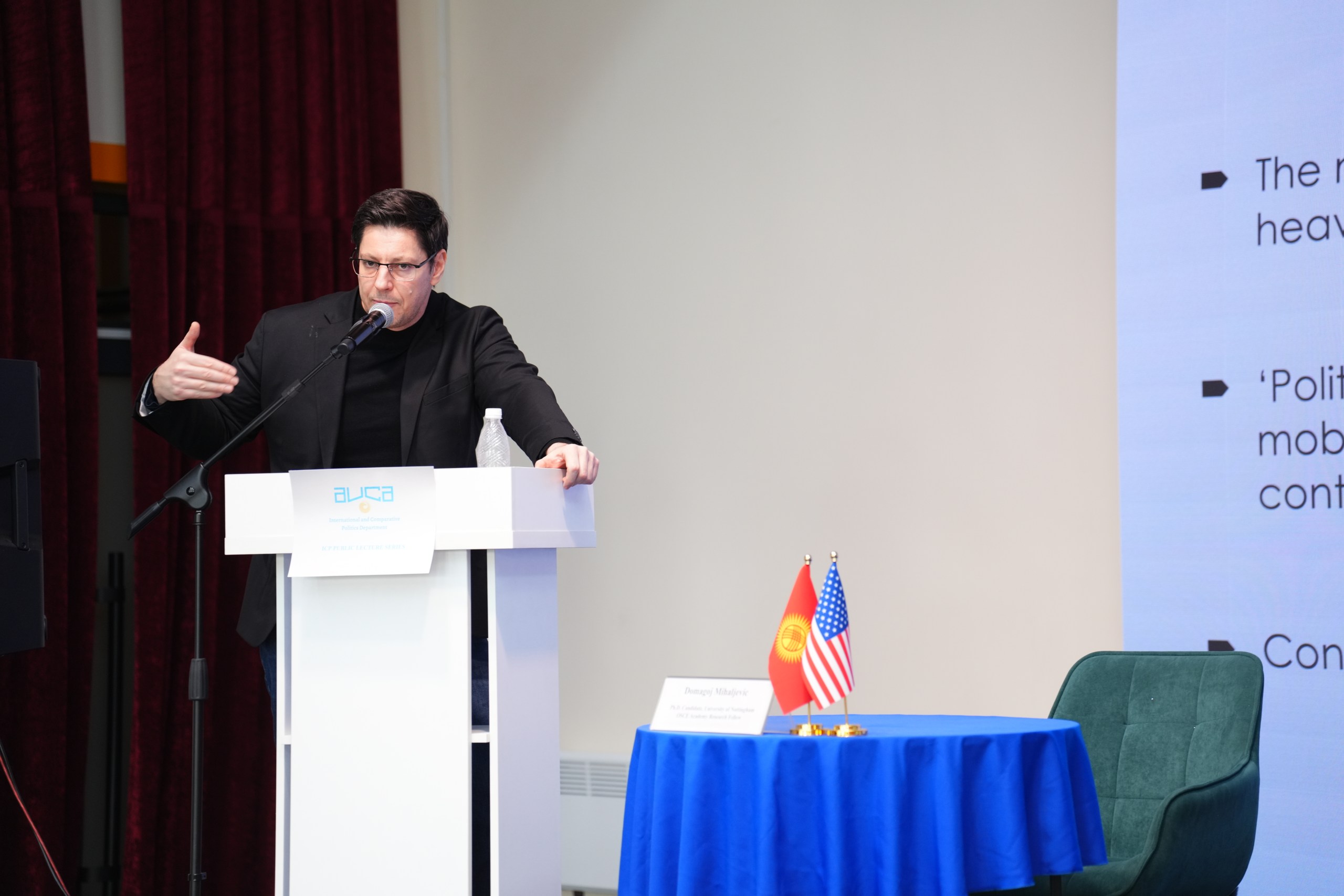
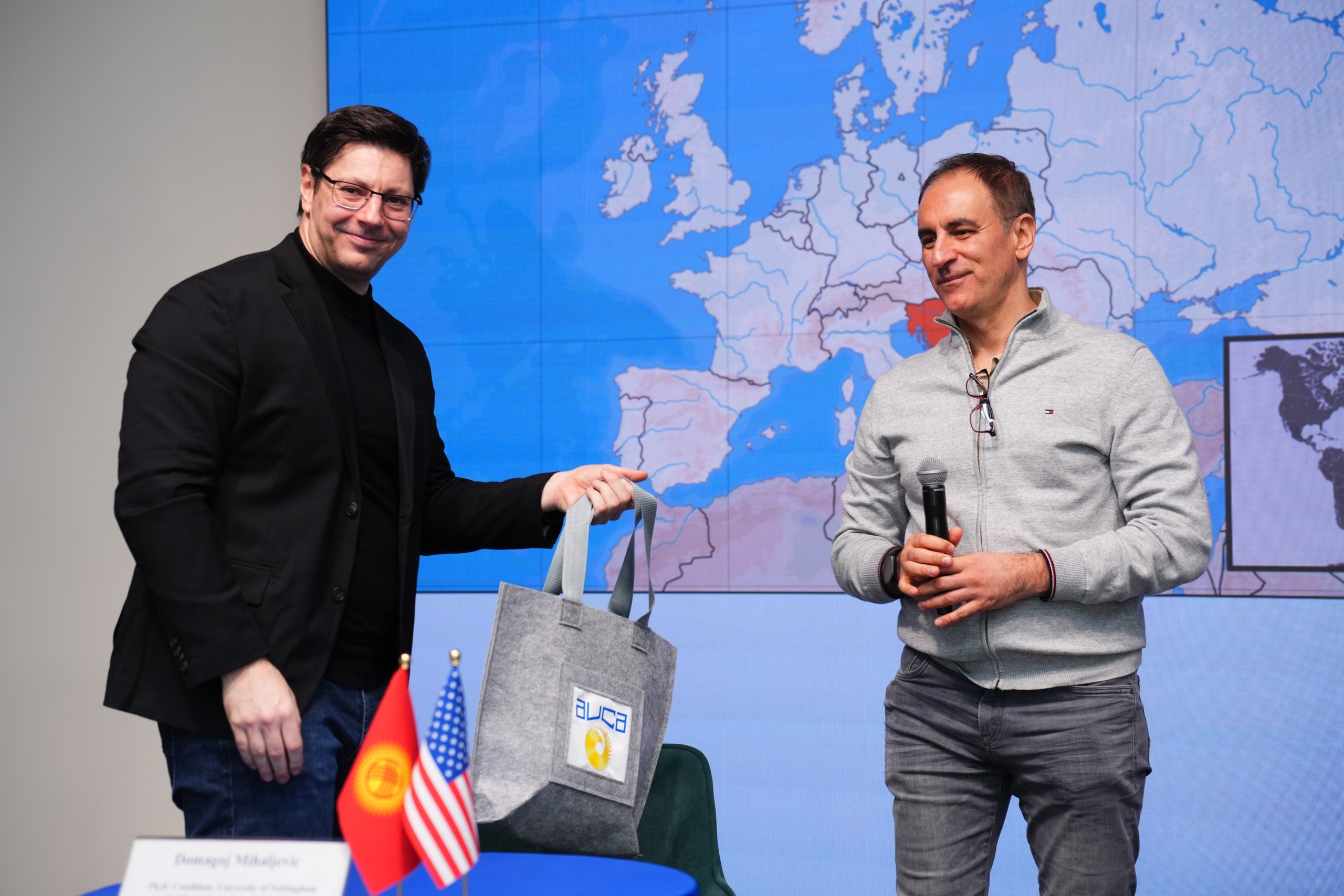
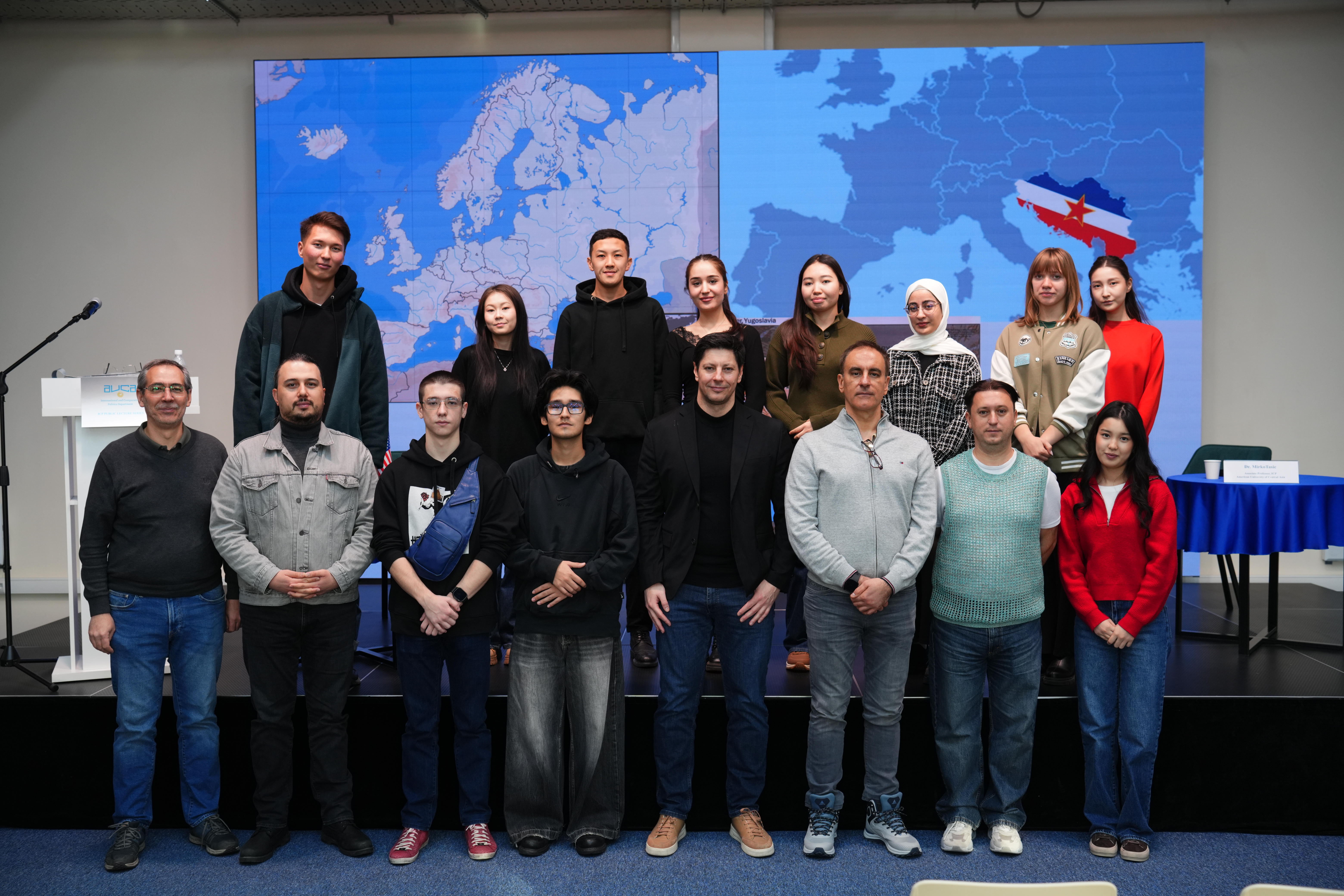
A public lecture on Yugoslavia’s economic development during the Cold War was delivered by Domagoj Mihaljević, PhD candidate in Economic History at the University of Nottingham and Associate Research Fellow at the OSCE Academy in Bishkek. The talk examined how Yugoslavia navigated its unique position between the Western and Soviet blocs from 1945 to 1970.
Mr. Mihaljević explained that Yugoslavia stood apart from other socialist states by pursuing a strategy of political independence combined with economic openness. While remaining socialist domestically, the country actively engaged with global markets, international institutions, and both Cold War camps, positioning itself as a buffer state between East and West.
The lecture traced Yugoslavia’s postwar development from the formation of a federal socialist state in 1945 to its ambitious industrialization drive under the First Five-Year Plan. Mr. Mihaljević highlighted how institutions were built to support rapid economic transformation and how international organizations, including the United Nations, contributed to early reconstruction efforts.
A central focus of the talk was the 1948 break with the Soviet Union, which left Yugoslavia temporarily isolated but ultimately pushed it toward a more flexible and outward-looking economic model. From the 1950s onward, Yugoslavia introduced market-oriented reforms, expanded foreign trade, and became increasingly integrated into the global economy.
By the 1960s, these reforms were accompanied by growing cultural openness, including the influence of Western—especially American—consumer culture, further reflecting Yugoslavia’s exceptional position in the Cold War world.
The lecture demonstrated how Yugoslavia’s attempt to combine socialism with global economic integration created a distinctive development path that continues to attract interest among historians, economists, and political scientists today.